Published
- 5 min read
Glass vs. Polycarbonate: Choosing the Right Material for Your Finch Tube Feeder
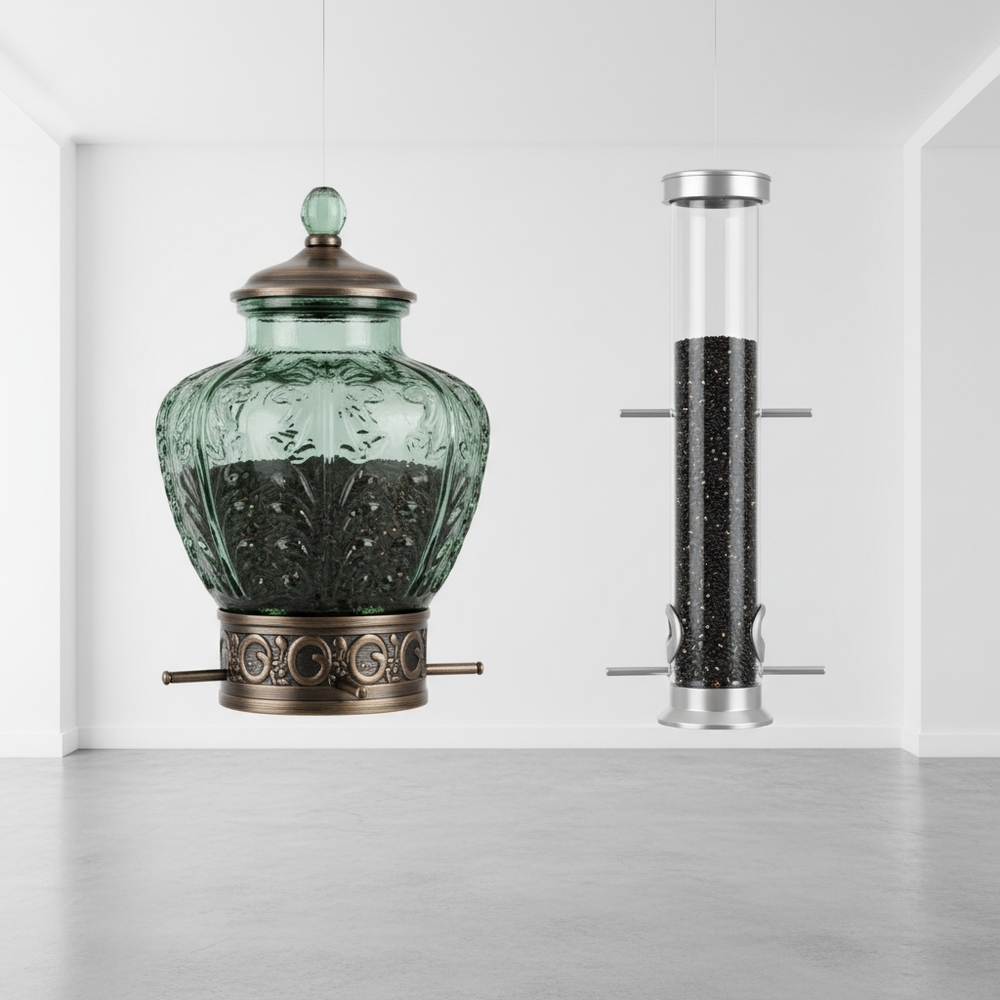
Glass vs. Polycarbonate: Choosing the Right Material for Your Finch Tube Feeder
When it is time to upgrade your finch feeding station, you will inevitably face a critical decision: should you buy a glass tube feeder or a plastic one?
A tube feeder is a deceptively simple piece of equipment. It is essentially a clear cylinder with holes punched in it. However, the material of that cylinder dictates how long the feeder will last, how easy it is to clean, and how well it protects the expensive Nyjer seed inside.
For decades, glass was considered the premium, high-end option. But in 2026, advances in synthetic materials have completely changed the landscape of backyard birding gear. As a seasoned birder, I have broken both glass and plastic feeders over the years. In this guide, I will break down the pros and cons of both materials, helping you make the smartest investment for your flock and your climate.
1. The Case for Glass Tube Feeders
Glass feeders have a classic, nostalgic appeal. They often feature copper or brushed bronze metal accents, making them feel like a piece of vintage garden decor rather than a modern plastic appliance.
The Pros:
- Scratch Resistance: Glass is incredibly hard. When squirrels attempt to claw their way down the tube, they cannot scratch the surface. Over five years, a glass tube will remain as perfectly clear as the day you bought it.
- Stain and Mold Resistance: Glass is 100% non-porous. Black mold and bacterial slime cannot embed themselves into the material. This makes deep-cleaning with a bottle brush significantly easier and more effective.
- The Weight Factor: Glass is heavy. In high-wind environments, a glass feeder is less likely to swing violently and spill seed than a lightweight plastic alternative.
The Cons:
- The Shatter Risk: This is the ultimate dealbreaker for many. If a squirrel manages to unhook the feeder and drops it onto a concrete patio, the feeder is instantly destroyed. Even a stiff branch blowing against the tube in a storm can crack it.
- Temperature Sensitivity: Extreme shifts in temperature (from a freezing winter night to a sunny morning) can sometimes cause micro-fractures in lower-quality glass.
2. The Case for Polycarbonate Tube Feeders
When we talk about “plastic” feeders, we are not talking about the cheap, cloudy acrylic found in $10 big-box store feeders. We are talking about UV-Stabilized Polycarbonate—the same material used in bulletproof glass and jet fighter canopies.
The Pros:
- Virtually Indestructible: High-end polycarbonate will not shatter. If a raccoon knocks it out of a 20-foot oak tree, the metal perches might bend, but the tube will survive.
- UV Resistance: Modern polycarbonate is treated with UV inhibitors. It will not turn yellow, brittle, or cloudy after years of baking in the harsh summer sun.
- Flexibility in Design: Because polycarbonate is lighter and easier to machine, manufacturers can create incredibly long feeders. You cannot find a 36-inch glass tube feeder because it would be too heavy to hang safely; but a 36-inch polycarbonate feeder can feed 20 finches simultaneously.
The Cons:
- Scratching: Polycarbonate is shatterproof, but it is not scratch-proof. Repeated squirrel attacks or aggressive scrubbing with a stiff wire brush will eventually create micro-scratches that make the tube look slightly cloudy over the years.
3. The Professional Verdict and Top Picks
If you are hanging your feeder over a soft lawn in a quiet, wind-protected area, a Glass Feeder is a beautiful, easy-to-clean choice.
However, if your feeder is hanging over a hard patio, or if you live in an area with high winds and aggressive squirrels, Polycarbonate is the undisputed winner. The peace of mind knowing your feeder won’t shatter into dangerous shards is worth the slight trade-off in scratch resistance.
The Best Polycarbonate Feeder: Droll Yankees Finch Flocker
This is the industry benchmark. The polycarbonate tube is guaranteed not to yellow, and the metal ports are virtually squirrel-proof.
- Get it on Amazon: Droll Yankees Finch Flocker (Polycarbonate)
The Best Glass Feeder: Perky-Pet Mason Jar Finch Feeder
If you prefer the rustic look, this thick, molded glass jar design is far more durable than a thin glass cylinder.
- Get it on Amazon: Perky-Pet Mason Jar Wild Bird Feeder
Conclusion
Choosing between glass and polycarbonate comes down to balancing aesthetics with your backyard’s specific hazards. Both materials, when purchased from high-quality brands on Amazon, will provide years of reliable service. Assess your hanging location, determine your squirrel risk, and choose the material that lets you enjoy the Goldfinches with zero stress.