Published
- 4 min read
Winter Finch Feeding Guide: Keeping Flocks Happy in the Snow
Winter Finch Feeding Guide: Keeping Flocks Happy in the Snow
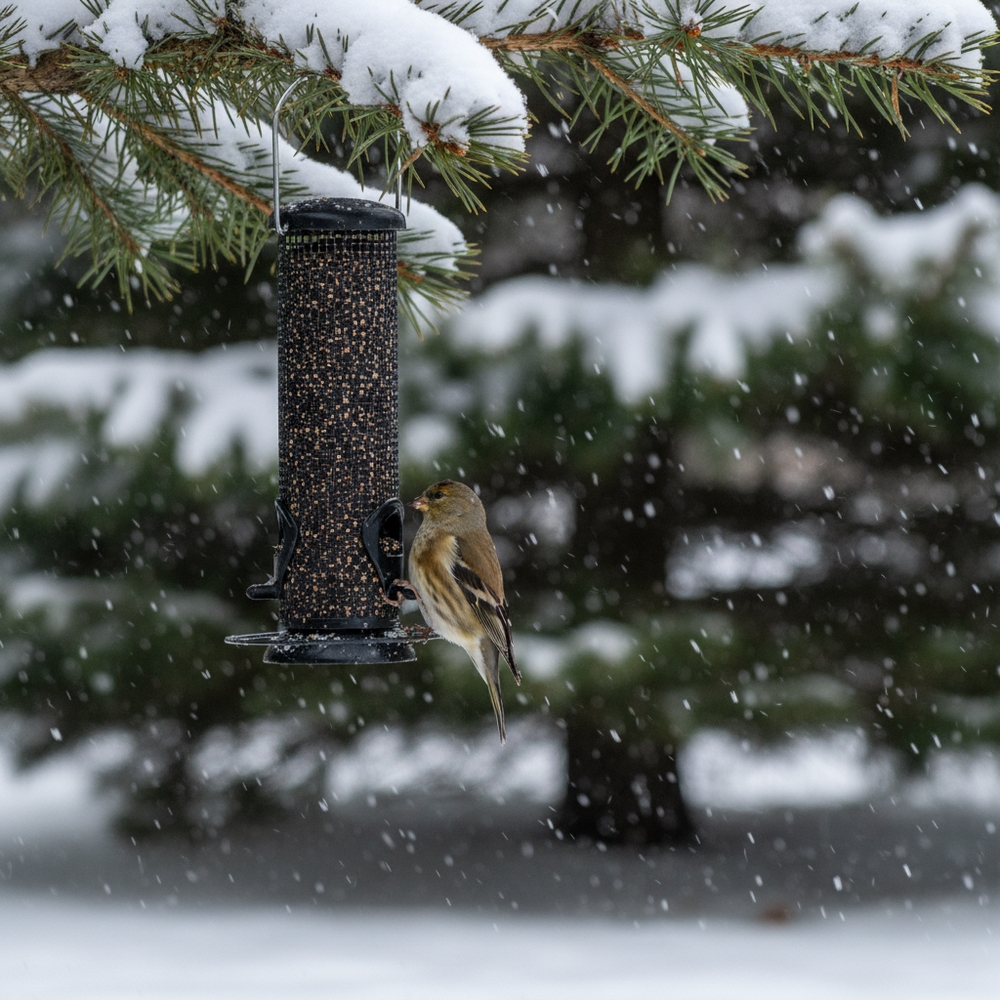
When the brilliant yellow plumage of the male American Goldfinch fades to a dull, olive-gray in October, many backyard birders mistakenly assume the finches have migrated south. The truth is, while some do migrate, many Goldfinches, House Finches, and Purple Finches are year-round residents across the United States. Furthermore, northern winters often bring “irruptions” of specialized winter finches, like Pine Siskins and Common Redpolls, descending from the Canadian boreal forests in search of food.
Winter is the most critical time for backyard bird feeding. A small finch burns a massive amount of calories simply shivering to maintain its body temperature during a freezing night. If they cannot replenish those calories during the short daylight hours, they will not survive.
In this guide, I will share the expert strategies for shifting your finch feeding station into “Winter Mode,” ensuring your feathered friends have the high-fat fuel and liquid water they need to endure the harshest blizzards.
1. The Winter Menu: Calories are King
In the summer, birds forage for a wide variety of foods. In the winter, their diet becomes a frantic search for fat and oil.
Double Down on Nyjer Seed
Nyjer is already high in oil, making it the perfect winter fuel.
- The Threat: Wet, freezing weather can cause Nyjer seed in a tube feeder to clump into a solid, moldy block of ice. You must use a tube feeder with a wide Weather Dome to keep snow and freezing rain out of the feeding ports.
- Affiliate Pick: Clear Acrylic Squirrel Deflector/Weather Dome (18-inch)
Introduce Black Oil Sunflower Hearts (Chips)
While finches struggle to crack the thick shells of whole black oil sunflower seeds, they absolutely love the “meat” inside.
- The Solution: Buy “Sunflower Hearts” or “Chips” (pre-shelled sunflower seeds). These offer an immediate, zero-effort burst of high fat and protein.
- How to Serve: Use a mesh sock feeder or a tube feeder with slightly larger ports. Mixing a 50/50 blend of Nyjer and Sunflower Chips is the ultimate winter super-food for a mixed finch flock.
2. Liquid Water: The Ultimate Winter Attractant
Finding food in the winter is hard; finding liquid, unfrozen water is nearly impossible. Birds cannot eat snow for hydration; melting the snow internally lowers their core body temperature to dangerous levels.
If you provide the only liquid water in the neighborhood during a freeze, your yard will become a birding Mecca.
The Heated Bird Bath
You do not need an expensive plumbing setup.
- How it works: A heated bird bath contains a small, thermostatically controlled heating element hidden in the plastic or ceramic base. It only turns on when the temperature drops near freezing, using minimal electricity to keep the water just above 32°F.
- Placement: Place the bath in a sunny, wind-protected area of the yard. Place a few flat rocks in the center so the finches can drink without getting their belly feathers wet (wet feathers freeze and kill birds).
- Affiliate Pick: Thermostatically Controlled Heated Bird Bath
3. Feeder Placement and Shelter
Winter winds strip away the body heat of a small bird rapidly.
- Move the Feeders: Do not leave your feeders in the middle of a barren, windswept lawn. Move your poles closer to dense, evergreen shrubs (like Arborvitae, Juniper, or Holly) or against the leeward side of your house.
- The “Brush Pile” Strategy: If you have the space, gather fallen branches, twigs, and old Christmas trees into a loose brush pile in the corner of your yard. This provides crucial natural shelter where finches can huddle together out of the wind between feeding trips.
Conclusion
Winter birding is incredibly rewarding. Providing a reliable source of high-fat Nyjer seed, easily digestible sunflower chips, and crucial liquid water guarantees that you will have an active, bustling yard even on the grayest January days. Clean your feeders regularly, keep the snow off the ports, and take pride in knowing you are actively helping these beautiful birds survive the freeze.