Published
- 5 min read
The Ultimate Guide to Finch Suet: High-Fat Energy for Winter Survival
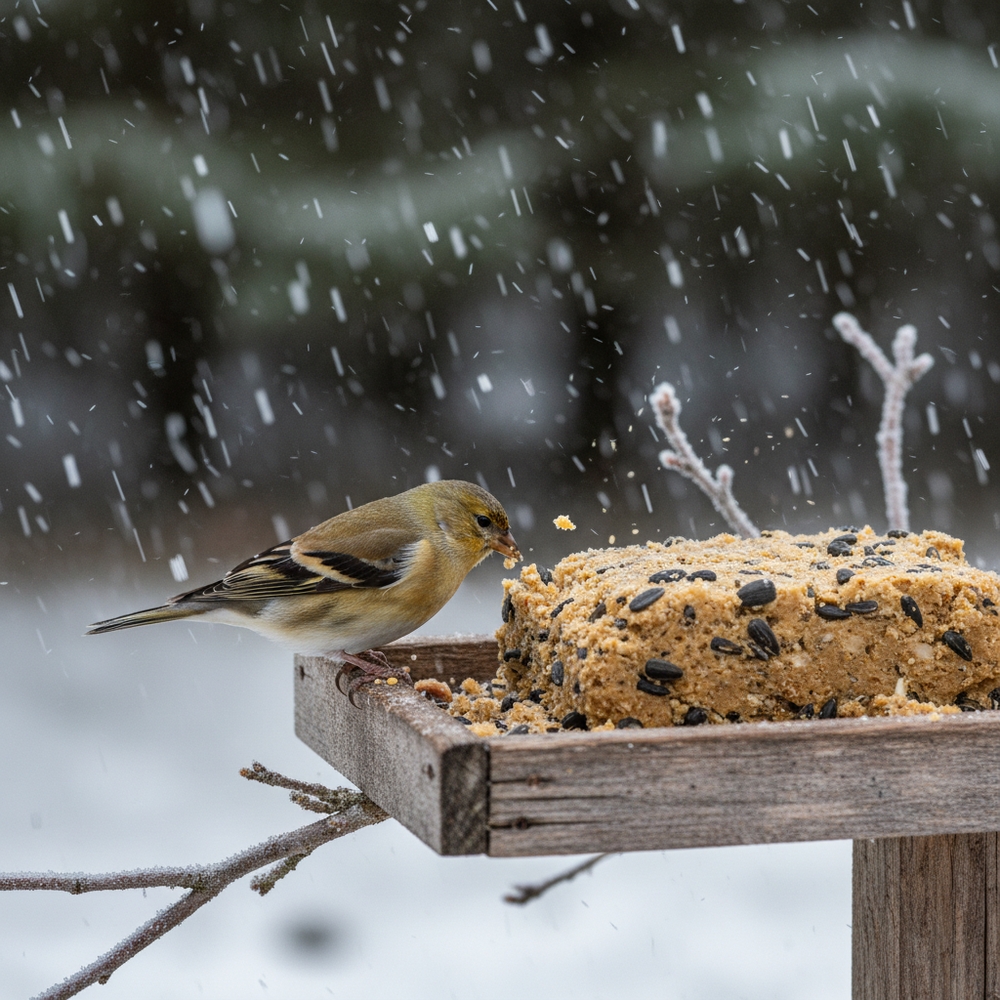
The Ultimate Guide to Finch Suet: High-Fat Energy for Winter Survival
When we think of suet feeders, we typically picture Woodpeckers, Nuthatches, and Chickadees clinging upside down, hammering away at a block of rendered beef fat. We rarely associate suet with the delicate, seed-eating Goldfinches or Pine Siskins that usually flock to our clear polycarbonate Nyjer tubes.
However, during the brutal months of winter, the rules of bird feeding change entirely. When temperatures plummet below freezing, a small finch’s metabolism kicks into overdrive. They must consume massive amounts of calories every single day just to shiver enough to maintain their body heat through the long, freezing night.
While Nyjer seed is excellent, nothing provides a faster, more concentrated burst of caloric energy than animal fat. In this expert guide, I will explain why finches need suet in the winter, which specific types of suet they can actually eat, and how to serve it so these non-clinging birds can access the feast safely.
1. Why Do Finches Need Suet?
Finches are granivores (seed eaters). Their digestive systems are perfectly optimized for extracting nutrients from plant material. So why offer them fat?
- The Caloric Density: Pure fat contains more than double the calories per gram than carbohydrates or proteins. When a finch is freezing, a few bites of suet provide immediate, life-saving heat.
- The “Easy Meal” Factor: In a blizzard, cracking open hundreds of individual sunflower seeds takes vital energy and time. Suet is “pre-processed.” The bird simply pecks and swallows, expending almost zero energy to consume a massive meal.
2. Choosing the Right Suet for Finches
If you hang a standard block of pure beef kidney fat (the kind Woodpeckers love), your finches will likely ignore it. To attract finches to a suet feeder, you must “bait” the fat with their favorite foods.
The Best Blend: Sunflower Heart Suet
Finches love black oil sunflower seeds, but their tiny beaks struggle to crack the thick hulls.
- The Solution: Look for commercial suet blocks that are packed densely with Sunflower Hearts (Chips). The suet acts as a glue, holding their favorite seed together in an easy-to-eat block.
- Affiliate Pick: C&S Sunflower Suet Dough (Pack of 12)
The “No-Melt” Dough Advantage
In the winter, raw suet is fine, but as spring approaches, raw animal fat can quickly go rancid and melt in the sun, matting the birds’ feathers and causing illness.
- The Solution: Always buy “Suet Dough.” This is rendered fat that has been mixed with cornmeal, oats, or flour to create a stable, crumbly texture that won’t melt, even on unseasonably warm winter days.
3. How to Serve Suet to Finches
This is the most critical part of the process. Finches are not Woodpeckers. They do not have the strong, stiff tail feathers required to prop themselves vertically against a tree trunk or a standard wire suet cage.
If you just hang a wire cage from a branch, the finches will flutter around it, unable to land or balance long enough to eat.
Strategy 1: The “Tail-Prop” Feeder
You must provide a platform.
- How it works: These specialized suet cages have a long wooden “tail prop” paddle extending below the cage. While designed for large woodpeckers, this paddle provides a horizontal resting place where a finch can land, balance, and reach up to peck at the suet.
- Affiliate Pick: Cedar Tail-Prop Suet Bird Feeder
Strategy 2: The “Platform Smear” (The Ultimate Hack)
If your finches refuse to use a hanging cage, bring the suet to them.
- How it works: Take a block of suet dough and crumble it up in a bowl. Mix in a handful of pure Nyjer seed. Then, smear this sticky, seed-filled paste directly onto an open wooden platform feeder or a wide seed catcher tray where the finches already congregate.
- Why it works: They don’t have to change their feeding behavior or learn how to cling to a wire cage. They simply hop around the flat platform eating their normal seeds and getting a massive hit of fat with every bite.
Conclusion
Winter birding requires adapting to the harsh realities of nature. By expanding your feeding station beyond simple seed tubes and offering high-quality, sunflower-packed suet dough on a stable platform, you provide the ultimate survival fuel for your resident finch flock. Keep the suet fresh, ensure they have a place to land, and watch them thrive through the coldest months of the year.