Published
- 4 min read
The Ultimate Guide to Nyjer Seed: Why Finches Love It and How to Store It
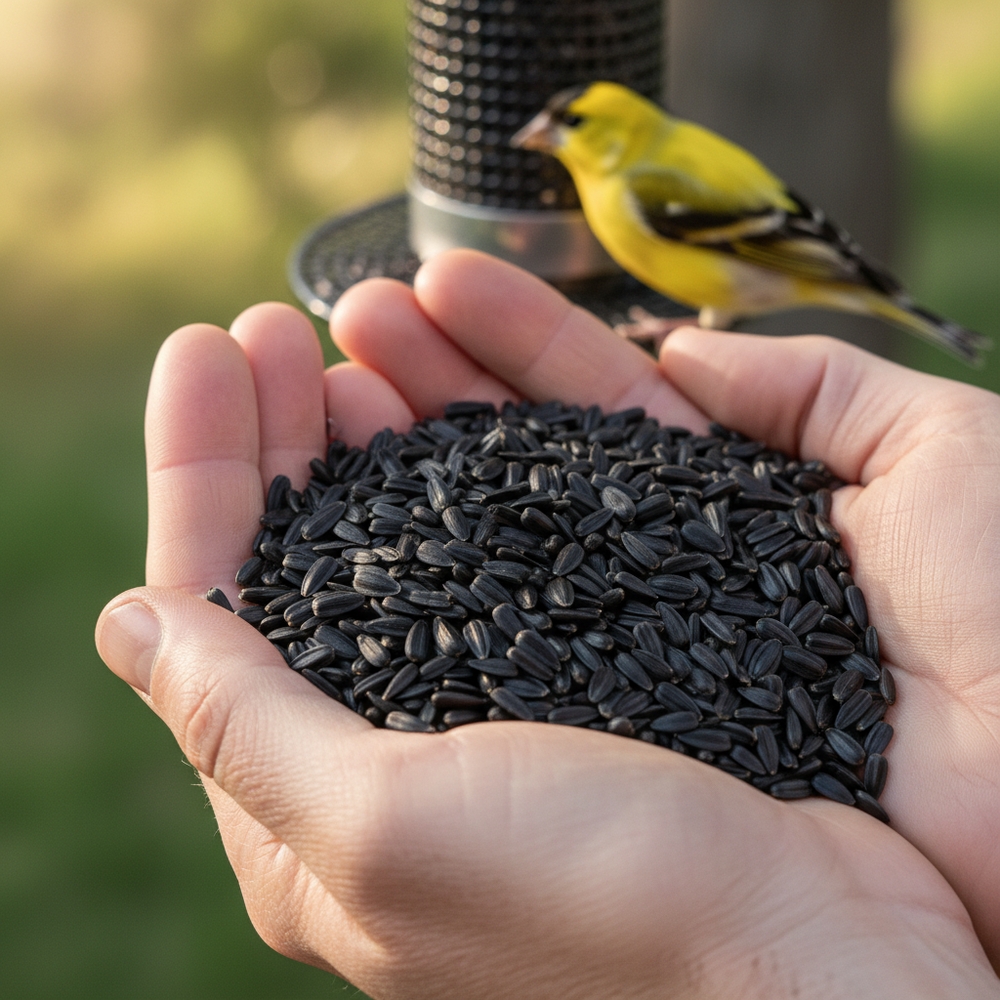
The Ultimate Guide to Nyjer Seed: Why Finches Love It and How to Store It
If you want to attract a massive flock of American Goldfinches, Pine Siskins, or Common Redpolls to your backyard, there is one undisputed king of the birdseed aisle: Nyjer Seed.
Often mislabeled as “thistle,” Nyjer (Guizotia abyssinica) is actually a tiny, black seed imported primarily from Africa and India. It is incredibly popular among backyard birders because it acts like a magnet for finches while being completely ignored by nuisance birds like Pigeons, Grackles, and Starlings.
However, Nyjer seed is also one of the most expensive and volatile bird foods on the market. If you don’t understand how to buy, serve, and store it properly, you will end up throwing away pounds of expensive seed that the birds refuse to eat. In this expert guide, I will break down everything you need to know about the “black gold” of backyard birding.
1. Why Do Finches Love Nyjer?
The appeal of Nyjer seed comes down to its nutritional profile.
- High Oil Content: Nyjer is exceptionally high in fat and oil. This provides a massive, easily digestible calorie boost. For small birds that burn tremendous amounts of energy just maintaining their body temperature (especially in winter), this high-oil seed is vital for survival.
- The Beak Match: Finches have tiny, pointed beaks designed for precision. They are perfectly adapted to slip a tiny Nyjer seed out of its hull, whereas larger birds find the microscopic seeds too difficult to process.
2. The “Thistle” Myth and the Sterilization Process
You will often see Nyjer sold as “Thistle Seed.” This is a marketing term, not a botanical reality.
Nyjer is not related to the prickly, noxious thistle weeds that grow in North American fields. More importantly, you do not have to worry about Nyjer seeds sprouting and ruining your lawn.
- The Sterilization Mandate: The USDA requires that all imported Nyjer seed be heat-sterilized at 120°F for 15 minutes before it enters the country. This guarantees that the seeds cannot germinate, making it a completely “weed-free” bird food.
3. The Expiration Date: How to Tell if Nyjer is Bad
The biggest mistake beginners make is buying a massive 20-pound bag of Nyjer seed and keeping it in the garage for two years.
Because Nyjer is so high in natural oils, it dries out very quickly once exposed to air and heat. Once the oil dries up, the seed loses its nutritional value, and the finches will completely ignore your feeder.
- The Visual Test: Fresh Nyjer seed is jet-black and has a distinct, oily shine. Old, dried-out seed looks dull, gray, and dusty.
- The Smell Test: Fresh seed smells slightly nutty. Rancid seed will smell stale or moldy.
- The “Ignored Feeder” Symptom: If your Goldfinches suddenly stop visiting a feeder that is full of Nyjer, they aren’t gone; they are telling you the seed is stale. Dump it out and buy a fresh bag.
4. Expert Storage and Serving Tips
To protect your investment and keep your finches happy, you must treat Nyjer seed like a perishable grocery item.
- Store in Airtight Containers: The moment you open the bag, transfer the seed into a heavy-duty, airtight plastic container. Keep the container in a cool, dry place (like a basement or climate-controlled closet). Never store it in a hot, humid shed.
- Buy What You Use: Buy smaller bags more frequently rather than stocking up for the year. A 5lb or 10lb bag is ideal for a single-feeder setup.
- Protect from Rain: Wet Nyjer seed molds incredibly fast. Always use a tube feeder with a built-in weather dome, and check the bottom of the tube frequently to ensure water isn’t pooling. If the seed gets wet and clumps together, throw it away and wash the feeder.
- Affiliate Pick: Wagners Nyjer Seed (Thistle)
Conclusion
Nyjer seed is the ultimate tool for attracting the most beautiful, musical birds to your backyard. By understanding its high oil content, recognizing the signs of staleness, and practicing proper storage techniques, you can ensure that your feeding station remains a premium destination for Goldfinches all year round. Keep it fresh, keep it dry, and enjoy the show!